


Good Governance Africa (GGA) – Nigeria has challenged young girls to recognise their potential, pursue their talents and develop the confidence to become future leaders, at the 2026 edition of its Africa’s Girl Child Dialogue held in Lagos.
The dialogue, themed “From Playground to Podium: Inspiring the Next Generation of Champions,” was held on Wednesday, 7 October, at the Nigerian-British Chamber of Commerce in Lekki.
It brought together students, teachers, sports professionals, development practitioners and other stakeholders for conversations around girls’ empowerment, sporting excellence, leadership, mentorship and the importance of creating supportive environments for the girl child.
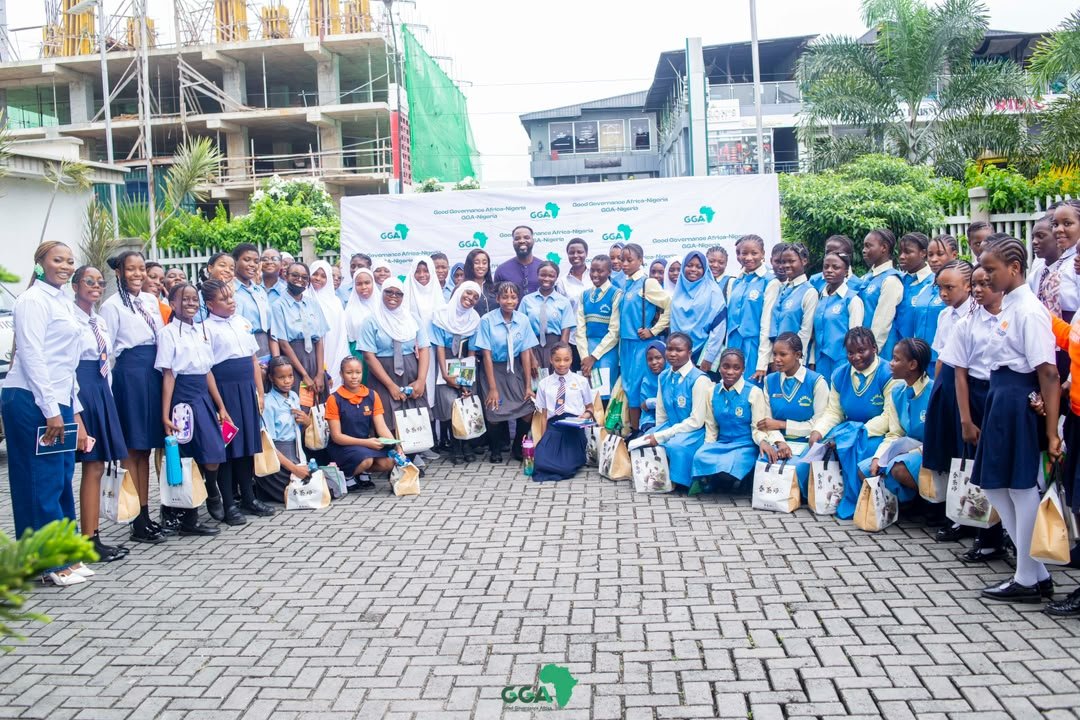
The schools present at the programme include SamBank Academy, Lekki Muslim Ummah Group of Schools, Genius Kids Academy, and Lagooz College.
Related Posts:
- FULL TEXT: Dapo Olorunyomi’s lecture at Ajayi Crowther University on Nigerian journalism
- From Borno to Oriire: 2,573 abducted in 31 violent Nigerian school attacks over 12 years
- Between School and Survival: Why many girls in Oyo State are still missing class
- Unsafe, Unprotected: Oyo schoolgirls suffer in silence over lack of menstrual facilities
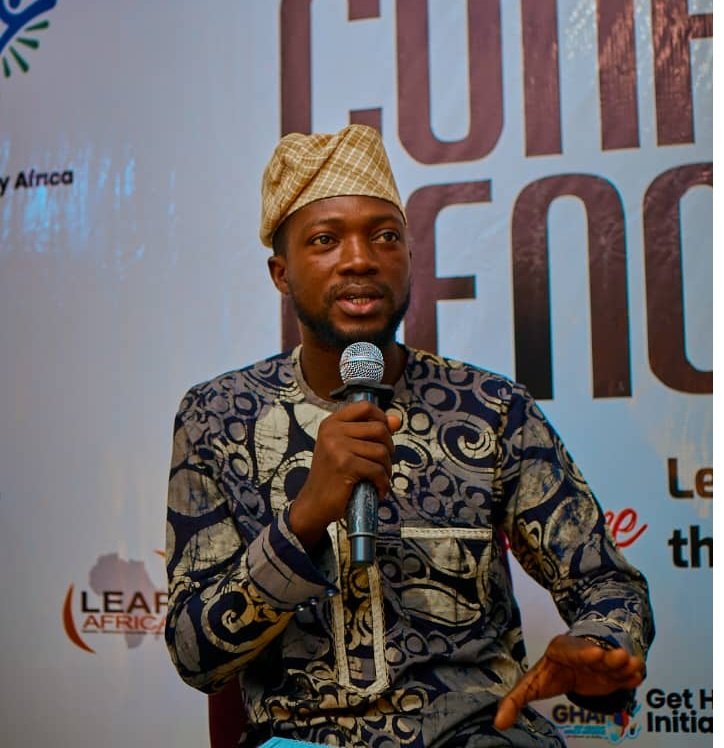
In his opening remarks, the Executive Director of GGA, Ola Bello, emphasised the importance of creating spaces where girls can discover their potential and pursue their ambitions.
He explained that empowering girls goes beyond encouraging them to dream; it requires families, schools, communities and institutions to provide the opportunities, support and enabling environment necessary for those dreams to become reality.
He also highlighted the importance of sport and other platforms through which girls can develop confidence, discipline, resilience and leadership skills.
“A girl who wants to play football may be told that football is for boys. A girl who wants to become a professional swimmer may not have access to the facilities or training she needs. These messages matter because before a girl can pursue an opportunity, she must first believe that the opportunity is available to her,” Mr Bello said.
“Our work at GGA is fundamentally about strengthening governance and supporting societies where citizens can participate meaningfully, institutions can function effectively, and people can contribute to development. For us, therefore, the girl-child agenda is also a governance and development,” he added.
From football to global sports photography
Mr Bello’s remarks provided the foundation for Justina Aniefiok, a FIFA/CAF-accredited sports photojournalist, who shared her personal journey and career experiences with the students. Ms Aniefiok spoke about her transition from an interest in football to a career documenting sporting moments professionally.
Her career has taken her to major international sporting events, including the FIFA World Cup, Olympic Games, Women’s Africa Cup of Nations, Africa Cup of Nations, Commonwealth Games and African Games.
From photography and journalism to coaching, administration, sports medicine, management and other professional roles, she encouraged participants to recognise the wide range of opportunities available within the sports ecosystem.
“My personal journey reinforced the importance of persistence and remaining open to opportunities, particularly when the path to a desired career does not initially appear obvious. For the girls in the room, my story is meant to provide a practical example of how passion can evolve into a profession and how women can occupy spaces within the sports industry that are often perceived as male-dominated,” she said.
Panel discussions
The keynote was followed by a panel discussion examining the practical steps required to move girls from participation to achievement.
The panellists, Ms Aniefiok; Orekoya Temitayo of Crawford Swimming World; Blessing Nwakanma of ESD Martial Arts Academy; and James Nsisong of SwimBank’s Academy, explored issues including talent discovery, mentorship, confidence-building, access to opportunities, supportive families and schools, leadership and the systems required to help girls excel.
The discussion emphasised that talent alone is not enough but access to the right support systems while the panellists stressed the importance of encouraging girls to overcome self-doubt and societal expectations that may limit their ambitions.
Speakers at the dialogue identified schools as key spaces for discovering and nurturing talent, while emphasising the responsibility of parents, mentors, communities and institutions to ensure that girls are not denied opportunities due to inadequate support.
They further challenged participants to understand leadership as something that can begin early, through everyday acts of responsibility, service, courage and participation.
The interactive nature of the session allowed students to engage directly with the panellists, ask questions and reflect on their own ambitions.
Students engage with the conversation
The participating students were at the centre of the dialogue, with the programme designed to give them an opportunity not only to listen but also to participate actively in the conversations..
Students from participating schools reflected on the lessons they took from the programme, particularly the importance of confidence, mentorship, identifying their talents and pursuing their ambitions.
The head of school at Lekki Muslim Ummah Group of Schools, Oba Taofeek, who accompanied students to the programme, described GGA-engagement as valuable complements to formal classroom learning.
“Programmes like this are very valuable because they expose our students to experiences and perspectives that go beyond what they learn in the classroom. It gives them the opportunity to interact with professionals, ask questions and begin to see possibilities for their own future,” he said.
On his part, Jonathan Eyitemi of Genius Kids Academy said: “We appreciate GGA for creating this platform and we believe continued engagements like this will help our girls build confidence and develop their talents.”
In his closing remarks, Adejumo Kabir, Senior Researcher, GGA-Nigeria, explained that the event should not be viewed as a one-day conversation but as part of a broader effort to create sustained opportunities for girls to learn, participate, lead and excel.
He also expressed appreciation to the participating schools for making it possible for the students to be part of the programme.
Source: Development Reporting