



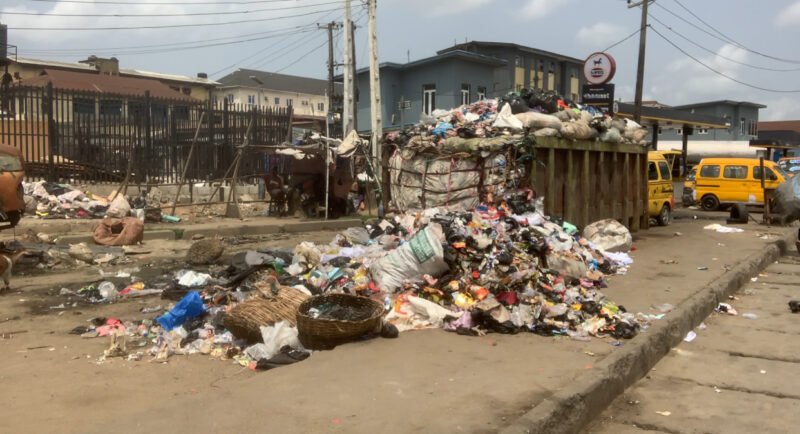

The Lagos State Government has ordered an emergency waste evacuation operation across the state following the public attention generated by a Premium Times investigation into the worsening refuse management crisis in Nigeria’s commercial capital.
Governor Babajide Sanwo-Olu directed relevant agencies to immediately intensify waste evacuation efforts and clear drainage channels across the city after the report highlighted growing concerns as major roads are overtaken by refuse in several communities.
The intervention, according to a statement by Mr Sanwo-Olu on his official social media handles, on Thursday, aims to address environmental and public health risks associated with poor waste disposal and reduce the likelihood of flooding during the rainy season.
Related Posts:
- FULL TEXT: Dapo Olorunyomi’s lecture at Ajayi Crowther University on Nigerian journalism
- From Borno to Oriire: 2,573 abducted in 31 violent Nigerian school attacks over 12 years
- SPECIAL REPORT: Failing waste system leaves Lagos roads buried in trash
- Unsafe, Unprotected: Oyo schoolgirls suffer in silence over lack of menstrual facilities
The Premium Times’ investigation that brought renewed attention to Lagos’ refuse management challenges was facilitated by DevReporting, in partnership with the Pro-Poor Development Media Network (PDM-Network), and with support from the African Cities Research Consortium (ACRC).
The collaboration aimed to strengthen evidence-based reporting on urban governance and development issues affecting vulnerable communities. Through editorial, technical, and institutional support, the initiative enabled in-depth reporting that documented the scale, causes, and consequences of the waste crisis, ensuring that citizens’ experiences and concerns were brought into the public domain.
What the report revealed
The Premium Times investigation found that Lagos’ worsening waste management challenges stem from a combination of rising operational costs, irregular waste collection services, and poor compliance with proper waste disposal practices by some residents.
Interviews conducted in communities such as Jakande in Ejigbo LCDA revealed growing frustration among residents over delayed waste collection, with many reporting that refuse often remained unattended for extended periods. The report also documented significant waste accumulation along major roads and public spaces in areas including Ikeja, Mushin, Alimosho, Surulere, Ikorodu, and Lagos Island, highlighting the scale of the environmental challenge.
The investigation further revealed that Private Sector Participation (PSP) operators responsible for household waste collection have been grappling with escalating diesel prices, rising vehicle maintenance costs, and the long distances to dumpsites, all of which have increased the cost of operations and affected service delivery.
As collection schedules became less consistent in some areas, the report found that some residents resorted to using informal waste handlers or dumping refuse in unauthorised locations, contributing to the growing waste burden across the state.
Impact
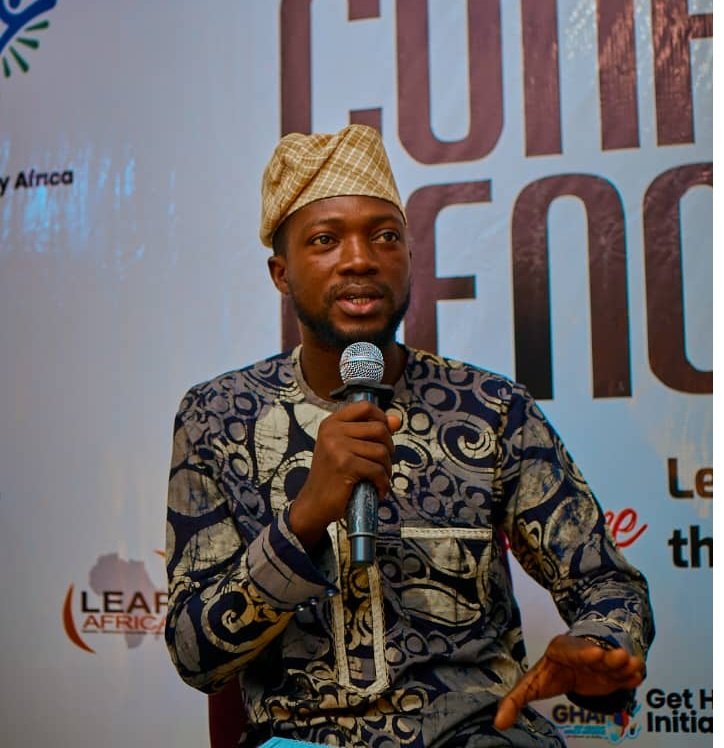
Speaking on the impact of the project, the Editor-in-Chief of DevReporting, Mojeed Alabi, said the response by the Lagos State Government demonstrates the important role of public-interest journalism in drawing attention to critical development issues and encouraging action from duty bearers.
“The outcome reflects the broader objectives of DevReporting and its partners to support journalism that not only informs the public but also strengthens accountability,” he said.
He added that as urban waste management remains one of the most pressing challenges confronting rapidly growing cities across Africa, ensuring that citizens’ concerns are documented, investigated, and communicated to policymakers is critical to improving service delivery.
Mr Alabi also emphasised the relevance of collaboration to journalism, commending newsrooms and individual journalists who participated in the #ReportUrbanChallengesInLagos project.
Source: Development Reporting